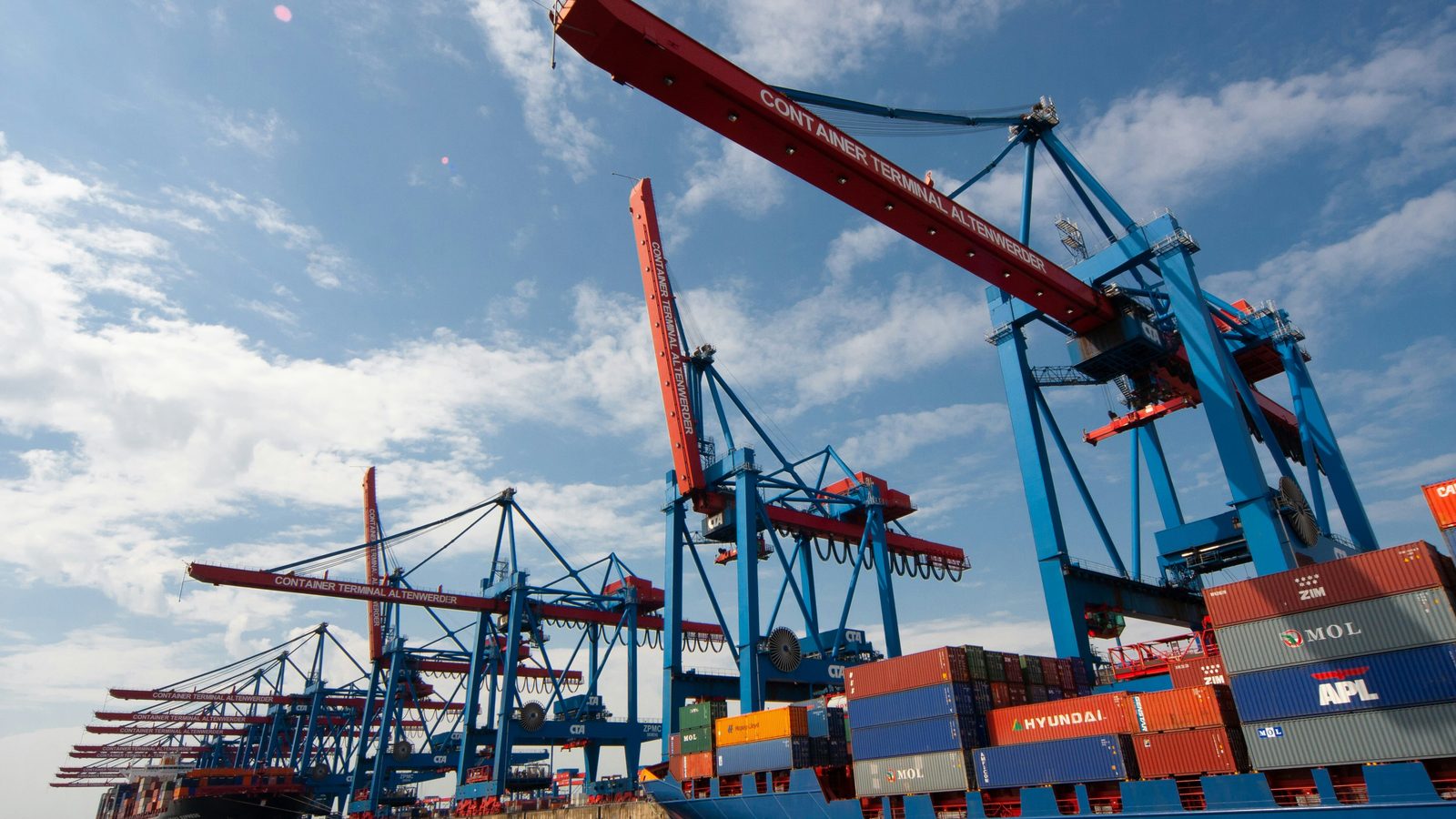
Port cranes and stacked shipping containers

Export & shipping

From our yard to your door — by truck or container

We load in Canada, ship by truck or container, and prepare the export paperwork for you.

  • Truckloads to USA & Canada
  • 20/40 ft containers overseas
  • Export paperwork prepared
How your order shipsHow your order travels, step by step, and who does what.More details

Step by step

How your order ships

Five steps from your first message to delivery. Most of the work is on our side.

  1. 1

    Quote

    Tell us your product, volume and destination. We send a written quote with price, Incoterm and timing.

    Together
  2. 2

    Confirm & deposit

    You confirm the order and pay the deposit by bank transfer according to your quote schedule, with the balance due before loading (truck) or against the bill of lading (ocean).

    You do this
  3. 3

    Produce & pack

    We cut, split and pack your wood in the packaging you chose.

    We do this
  4. 4

    Load & inspect

    We load the truck or container, verify quantities and moisture readings, and send you dated photos of the load before it leaves.

    We do this
  5. 5

    Ship & deliver

    The goods travel with their documents. You or your broker clear customs, and the load reaches you.

    Together

Truck or container?

Two ways to ship

The right choice depends on where you are and how much you buy. Not sure? Ask us — we suggest the cheapest option.

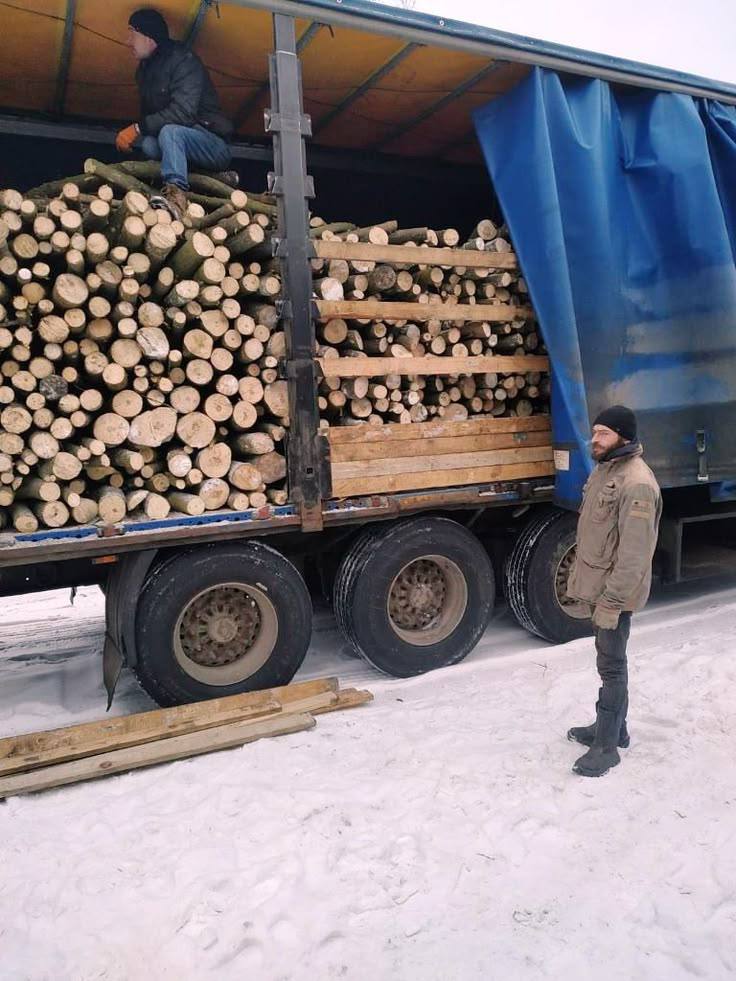
Flatbed truck with a crane on a country road
North America

Truckload · 53 ft truckload

≈ 22pallets

≈ 40m³ stacked

When to choose it
You are in the USA or Canada. The truck goes from our yard to your door.
Typical buyers
Distributors, retail chains, garden centres and campgrounds.
Transit
Typically 5–10 days on the road, depending on distance

Estimate this load
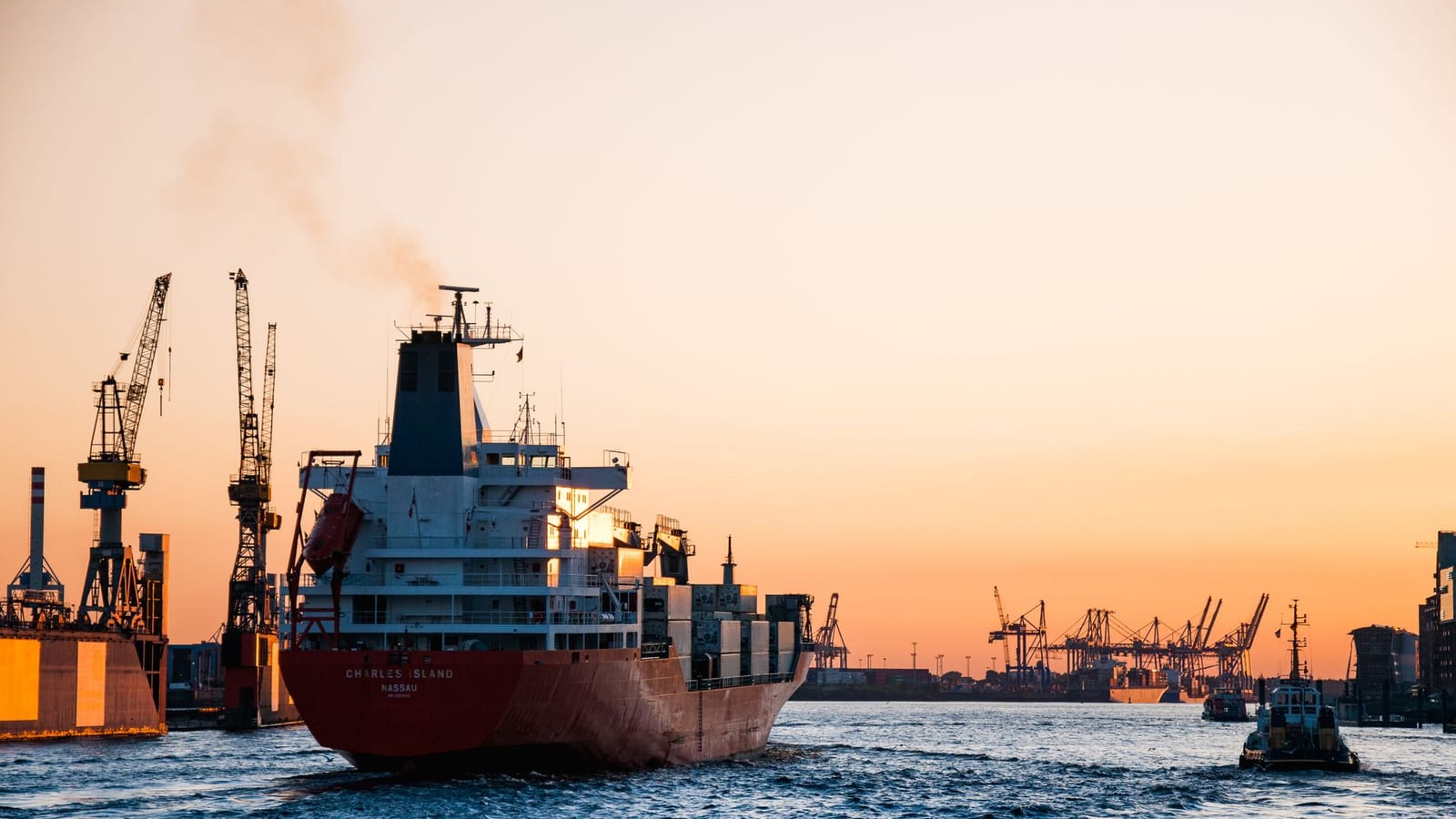
Container ships at a port at dusk
Overseas

Container · 20 / 40 ft HC

≈ 10 pallets · 20 ft Internal volume ≈ 33 m³ (≈ 1,165 ft³)

≈ 22 pallets · 40 ft HC Internal volume ≈ 76 m³ (≈ 2,684 ft³)

When to choose it
You are in Europe, the UK or another overseas market. A 20 ft suits a trial order; a 40 ft High Cube gives the best price per m³.
Typical buyers
Importers, wholesalers and repackers.
Transit
Typically 2–3 weeks at sea to Europe, plus loading and port time
Estimate this load
Estimated units per loadHow many pallets, bags or crates fit in a truck or a container.More details

Load planning

Estimated units per load

Estimates — depends on log length and stacking.

Estimated number of units per truckload, 20 ft and 40 ft HC container, by packaging type
Packaging Truckload (53 ft) 20 ft container 40 ft HC container
Stacked pallets ≈ 22 × pallet ≈ 10 × pallet ≈ 22 × pallet
Retail bundles ≈ 24 × pallet ≈ 10 × pallet ≈ 22 × pallet
Mesh bags ≈ 24 × pallet ≈ 10 × pallet ≈ 22 × pallet
Big bags ≈ 24 × big bag ≈ 10 × big bag ≈ 22 × big bag
Wooden crates ≈ 24 × crate ≈ 10 × crate ≈ 22 × crate
Bulk (loose) ≈ 62 × m³ loose ≈ 30 × m³ loose ≈ 70 × m³ loose
  • Stacked pallets

    Truckload (53 ft)
    ≈ 22 × pallet
    20 ft container
    ≈ 10 × pallet
    40 ft HC container
    ≈ 22 × pallet
  • Retail bundles

    Truckload (53 ft)
    ≈ 24 × pallet
    20 ft container
    ≈ 10 × pallet
    40 ft HC container
    ≈ 22 × pallet
  • Mesh bags

    Truckload (53 ft)
    ≈ 24 × pallet
    20 ft container
    ≈ 10 × pallet
    40 ft HC container
    ≈ 22 × pallet
  • Big bags

    Truckload (53 ft)
    ≈ 24 × big bag
    20 ft container
    ≈ 10 × big bag
    40 ft HC container
    ≈ 22 × big bag
  • Wooden crates

    Truckload (53 ft)
    ≈ 24 × crate
    20 ft container
    ≈ 10 × crate
    40 ft HC container
    ≈ 22 × crate
  • Bulk (loose)

    Truckload (53 ft)
    ≈ 62 × m³ loose
    20 ft container
    ≈ 30 × m³ loose
    40 ft HC container
    ≈ 70 × m³ loose

Incoterms made simple

Who pays for what — and when the risk becomes yours

An Incoterm is a short code in the contract. It says where our costs stop and where the risk passes to you.

FOB Free On Board

  • Costs paid by us up to here: On board ship
  • Risk passes to you here: On board ship

We deliver the goods loaded on board the ship at the Canadian port. From that moment the risk is yours, and you pay ocean freight, insurance and everything after.

We pay

Production, packing, transport to the Canadian port, export clearance, loading on board.

You pay

Ocean freight, insurance, unloading, import duties and taxes, delivery to your warehouse.

CIF Cost, Insurance & Freight

  • Costs paid by us up to here: Destination port
  • Risk passes to you here: On board ship

We book and pay ocean freight and minimum insurance to your destination port. But the risk still passes to you once the goods are on board in Canada — the insurance covers you, the buyer. Import duties and unloading are yours.

We pay

Everything in FOB, plus ocean freight and minimum cargo insurance to your port.

You pay

Unloading at the port, import duties and taxes, delivery to your warehouse.

DAP Delivered At Place

  • Costs paid by us up to here: Your warehouse
  • Risk passes to you here: Your warehouse

We deliver to your named place, ready for unloading. The risk passes to you when it arrives there. Import duties, taxes and unloading are yours.

We pay

All transport to your named place, including the truck or the sea freight.

You pay

Unloading, import duties and taxes.

Which one should I choose?

  • Choose FOB if you have your own freight forwarder.
  • Choose CIF if you want us to arrange the sea freight.
  • Choose DAP if you are in North America and want delivery by truck.

Incoterms® 2020 rules published by the International Chamber of Commerce. The contract always names the place, e.g. "FOB Montreal". Sources: International Chamber of Commerce — Incoterms® rules (opens in a new tab)

Paperwork

Export documents you receive

Each shipment travels with these documents. Your customs broker will ask for them.

  • Phytosanitary certificate

    What it is
    An official plant-health certificate for the shipment.
    Who issues it
    Canadian Food Inspection Agency (CFIA)
    Why you need it
    It proves the wood meets your country's plant-health import rules. Customs usually ask for it first.
  • Heat-treatment certificate

    What it is
    A record that the wood reached the required core temperature for the required time.
    Who issues it
    ReadyBurn certified facility (CFIA HT Program)
    Why you need it
    Many countries only accept firewood that is heat-treated. This is your proof.
  • Certificate of origin

    What it is
    States that the wood comes from Canada.
    Who issues it
    ReadyBurn or local Chamber of Commerce (depending on destination)
    Why you need it
    Your customs broker uses it to apply the right duty rate and trade agreement.
  • Commercial invoice

    What it is
    The bill for the goods: products, quantities, prices and Incoterm.
    Who issues it
    ReadyBurn
    Why you need it
    Customs calculate import duties and taxes from it.
  • Packing list

    What it is
    What is in each pallet, bag or crate, with weights.
    Who issues it
    ReadyBurn
    Why you need it
    Customs and your warehouse use it to check the load quickly.
  • Other documents on request — tell us what your importer or bank needs.
Import rules to knowPlant-health and EU deforestation rules for your destination, in short.More details

Before you import

Import rules to know

A short summary. Your customs broker always has the final word.

  • USA

    Firewood from Canada must be heat-treated. Hardwood: 60 °C (140 °F) at the core for 60 minutes. Softwood: 56 °C (133 °F) for 30 minutes.

  • EU & UK

    Heat-treated wood products move under Canada's CFIA Heat-Treated Wood Products Certification Program (56 °C at the core for 30 minutes). Confirm the current firewood rules for each country with your broker.

  • EU Deforestation Regulation (EUDR)

    The EUDR covers wood products, including firewood. It applies from December 30, 2026 for large companies and from June 30, 2027 for micro and small companies.

    We can provide the harvest origin and geolocation information your due-diligence statement needs — ask us when requesting a quote.

Rules change — we confirm the current requirements for your country with every quote.

Sources: USDA APHIS — Heat treatment of firewood (fact sheet) (opens in a new tab) · CFIA — Canadian Heat Treated Wood Products Certification Program (opens in a new tab) · CFIA directive D-13-01 — heat-treatment certificates, incl. EU countries (opens in a new tab) · European Commission — Access2Markets: EUDR application dates (opens in a new tab)

Practical details

Minimum order, lead times and ports

Minimum order

1 full truckload (North America) or 1 × 20 ft container (overseas)

Lead times

Truckload — USA & Canada
5–10 business days after order confirmation
Container — loading in Canada
1–2 weeks after order confirmation
Ocean transit
Depends on port and carrier — quoted per shipment

Ports of loading

  • Port of Montreal (QC)
  • Port of Halifax (NS)
  • Port of Vancouver (BC)

FAQ

Shipping questions

How long does shipping take?

Truckloads to the USA and Canada usually arrive 1–5 business days after loading. Containers to Europe take 2–3 weeks at sea, plus port time. Every quote includes a date range.

Can I mix products in one container?

Yes. You can combine products, lengths and packaging in one load, for example firewood pallets and kindling bags. We plan the loading so every unit fits safely.

Who handles customs?

We prepare the Canadian export documents. Import customs clearance and duties in your country are handled by you or your customs broker, including for DAP deliveries.

What if my country isn't listed?

Ask us anyway. We check the import rules for your country and tell you honestly if we can ship there.

Do you offer samples or a trial 20 ft?

Yes, a 20 ft container is a good trial order — about half the volume of a 40 ft High Cube. Small wood samples can also be shipped by courier upon request.

Show all questions (8)
How is the wood protected in transit?

Pallets are stretch-wrapped or bagged, and loads are strapped so nothing shifts. For ocean containers, we use ventilated packing and moisture-control measures to prevent condensation during transit.

How do I pay?

Payment is made by bank transfer according to the schedule in your confirmed quote — typically a deposit upon order confirmation, with the balance due before loading (truck) or against a copy of the bill of lading (ocean).

What happens at the border?

Customs check the documents and may inspect the load. With complete papers this is usually quick. Import duties and taxes are paid on your side, unless the contract says otherwise.

Cargo ship leaving port at sunset

Ready to plan your first load?

Estimate your load in two minutes, then ask us for a quote on your Incoterm.